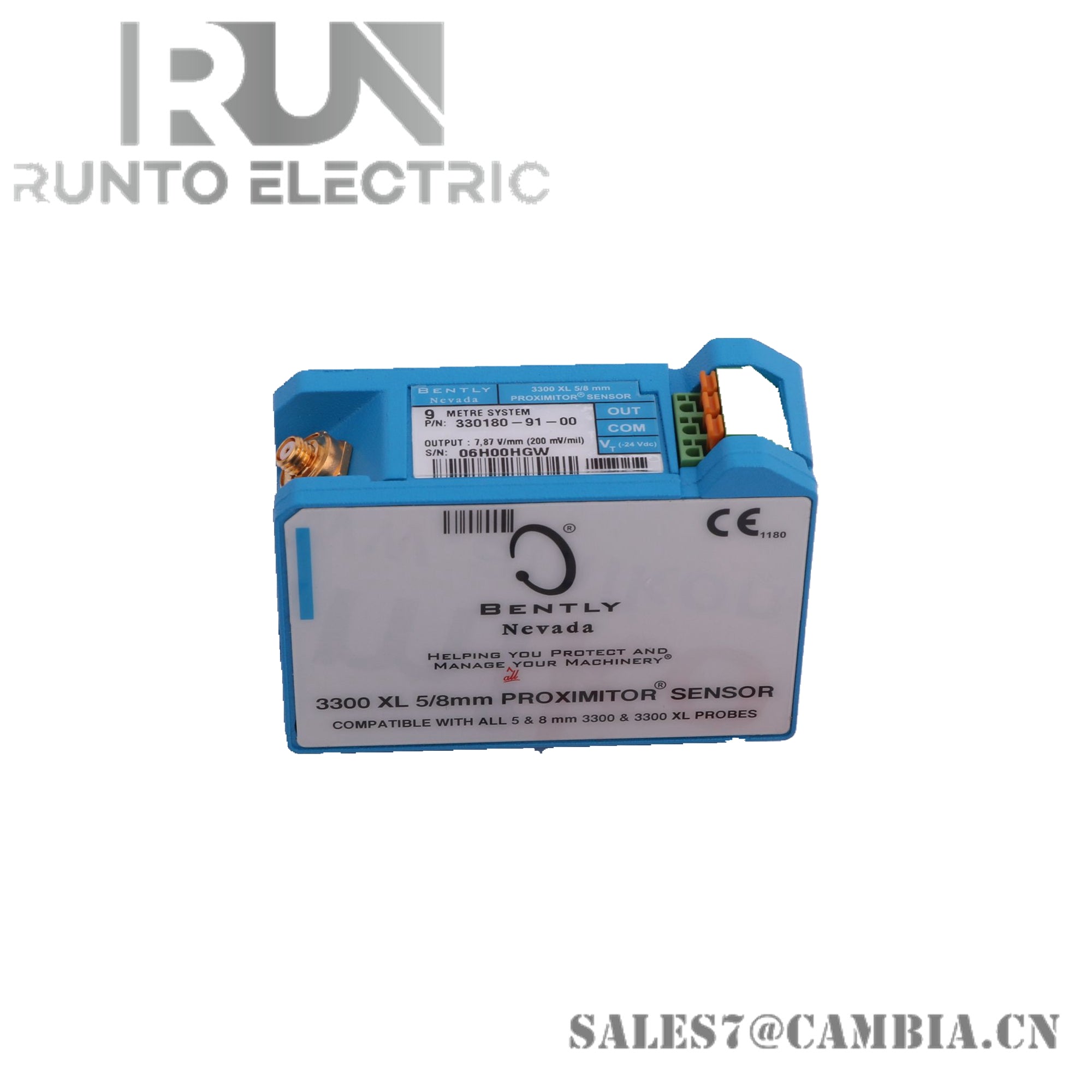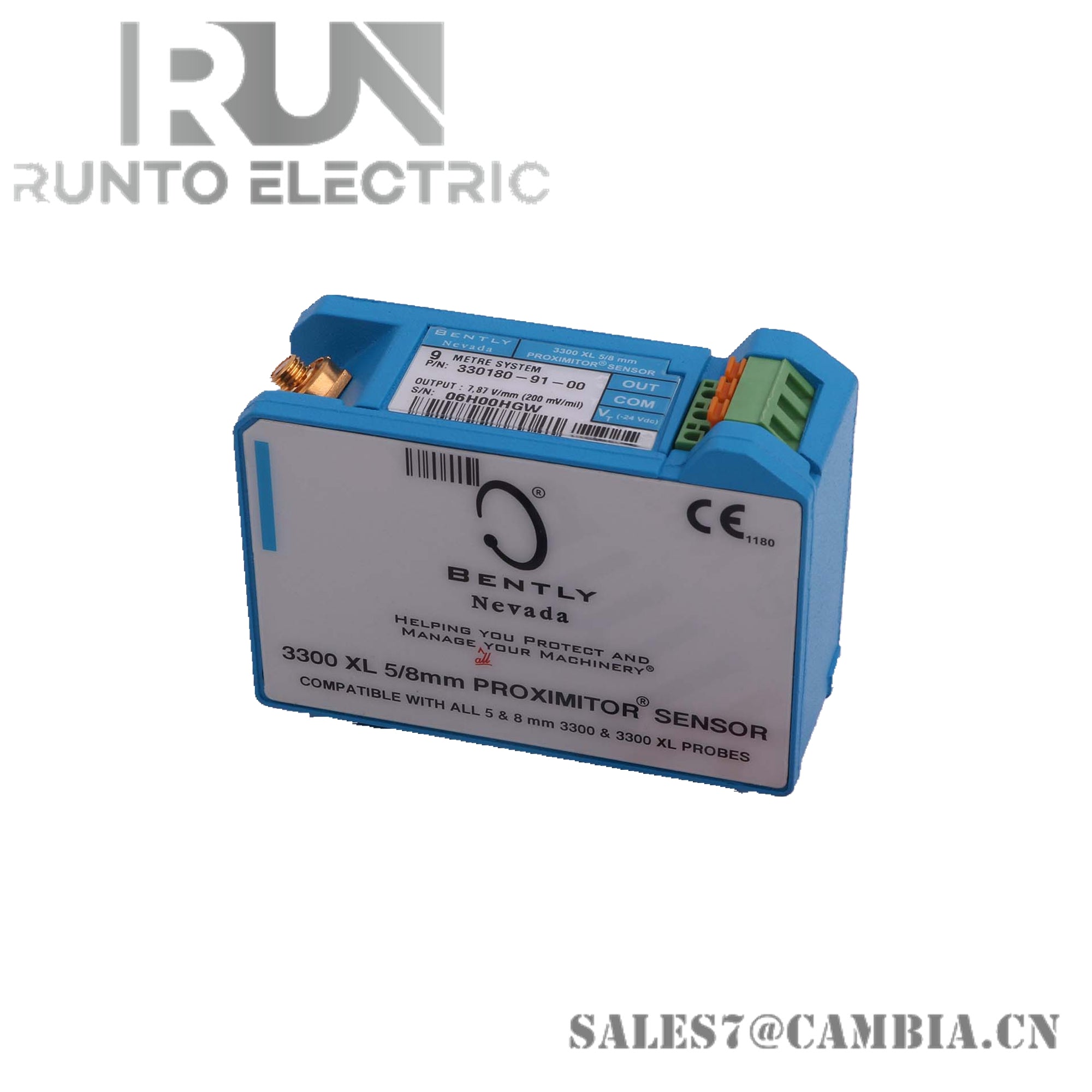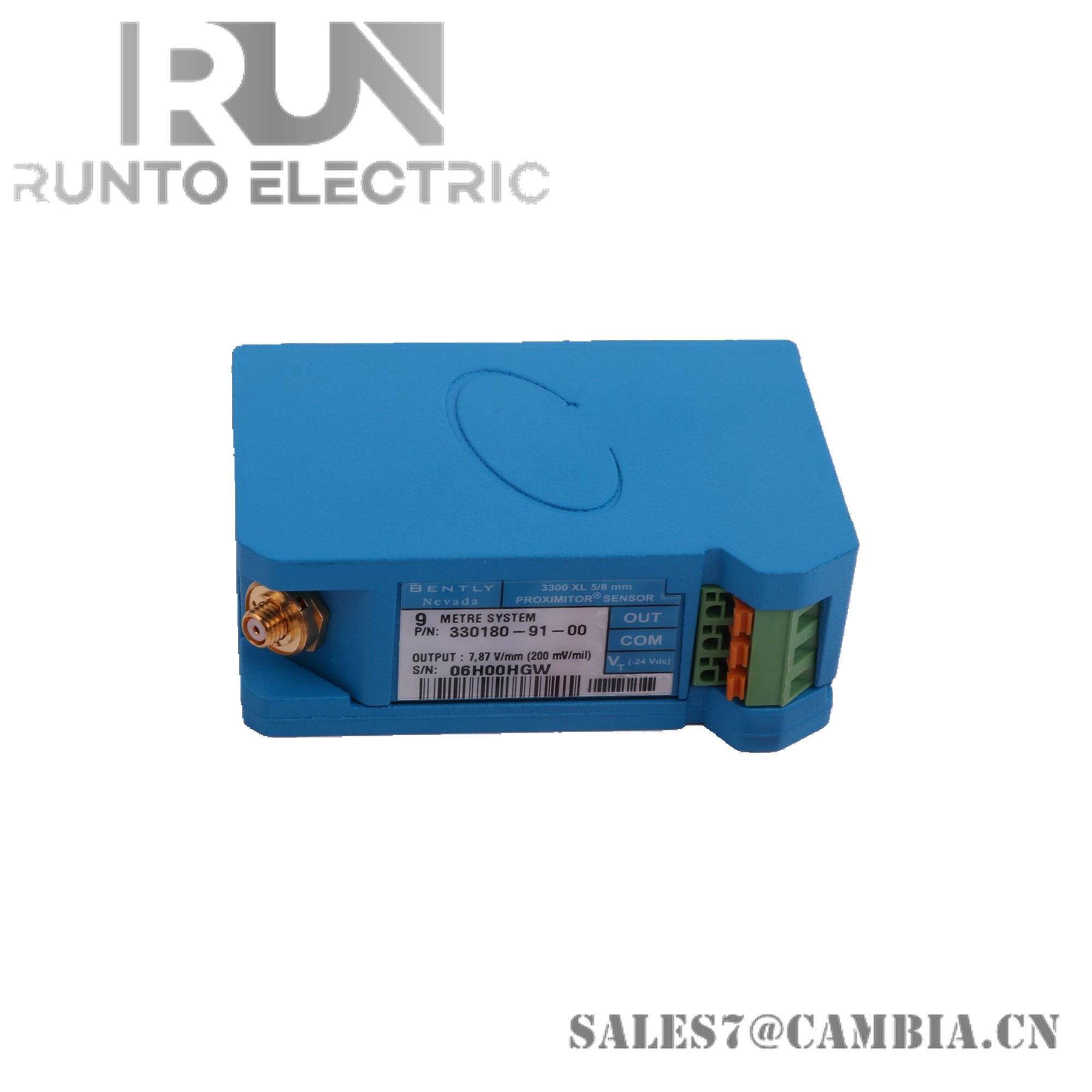
Bently Nevada 83729-01 XDCR I/O Record Terminal

Bently Nevada 83729-01 XDCR I/O Record Terminal
The Bently Nevada 83729-01, also cataloged as the 83729 XDCR I/O Record Terminal, operates as a dedicated hardware component for transducer input/output signal routing and relay interfacing within legacy Bently Nevada machine protection systems.
Hardware Specifications
| Parameter | Specification |
|---|---|
| Model | 83729-01 |
| Brand | Bently Nevada |
| Origin | USA |
| Weight | 0.23 kg (0.50 lbs) |
| Dimensions | Not specified |
| Operating Temp | Not specified |
| Power Consumption | Not specified |
| Module Type | Transducer I/O and Recording Terminal / Relay Card Option |
| Design/Technology | Surface mount PCB layout |
| Functionality | Relay interface, signal routing, transient/steady-state record terminal data |
| Compatibility | Vintage Bently Nevada machine protection systems and logic controllers |
| Status | Discontinued |
Rotor Dynamics and Cross-Talk Suppression
The 83729-01 module supports rotor dynamics monitoring through precise transducer signal routing. Cross-talk suppression is embedded in the PCB layout to minimize interference between multiple input channels, ensuring accurate transient and steady-state data acquisition. Gap voltage validation at -10 VDC reference points is used to confirm probe calibration integrity when integrated with proximity transducer systems.
Frequently Asked Questions (FAQ)
Q: Can the 83729-01 module be hot-swapped in a rack system? A: No, insertion or removal under power is not recommended due to backplane current stability requirements.
Q: What is the typical relay switching delay for this module? A: Relay switching delay aligns with mechanical relay tolerances, generally under 20 ms.
Q: Is the 83729-01 compatible with newer 3500 series racks? A: No, the module is primarily designed for vintage 3300 and earlier machine protection systems.
Field Installation Guidelines
- Mount the module in designated rack slots with full connector engagement.
- Ensure shielded transducer wiring is grounded at a single point to reduce induced noise.
- Separate signal cabling from high-voltage conductors to minimize interference.
- Verify relay wiring polarity before energizing circuits.
- Maintain ambient conditions within standard industrial non-condensing humidity limits.
Bently Nevada 83729-01 XDCR I/O Record Terminal