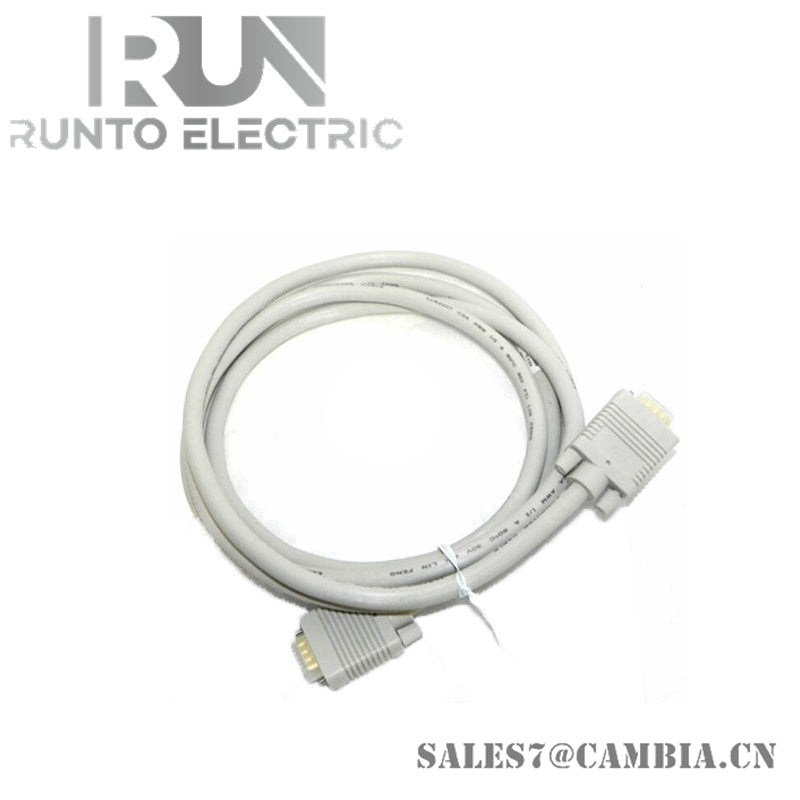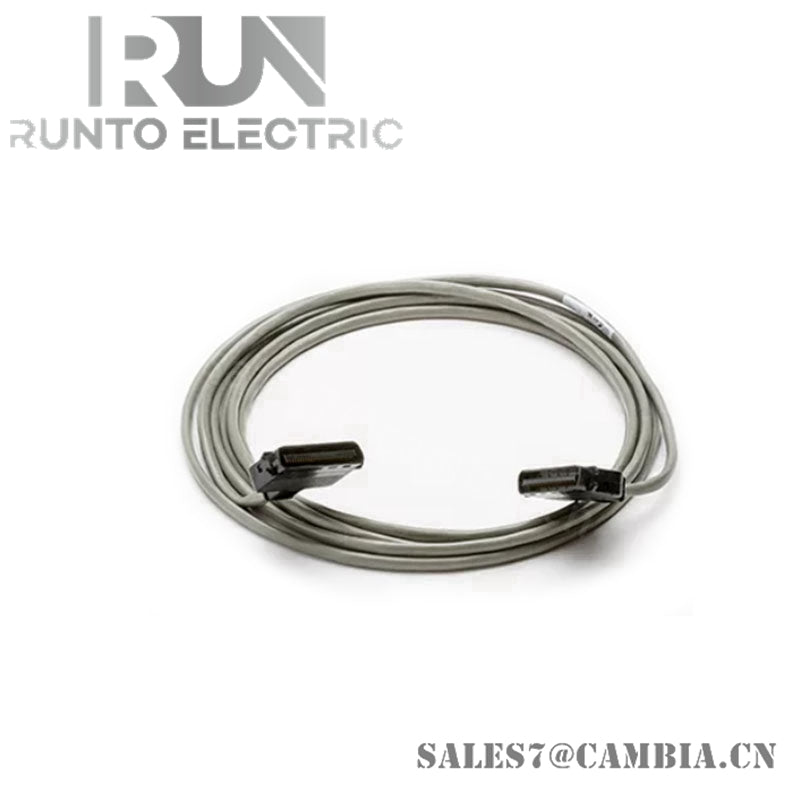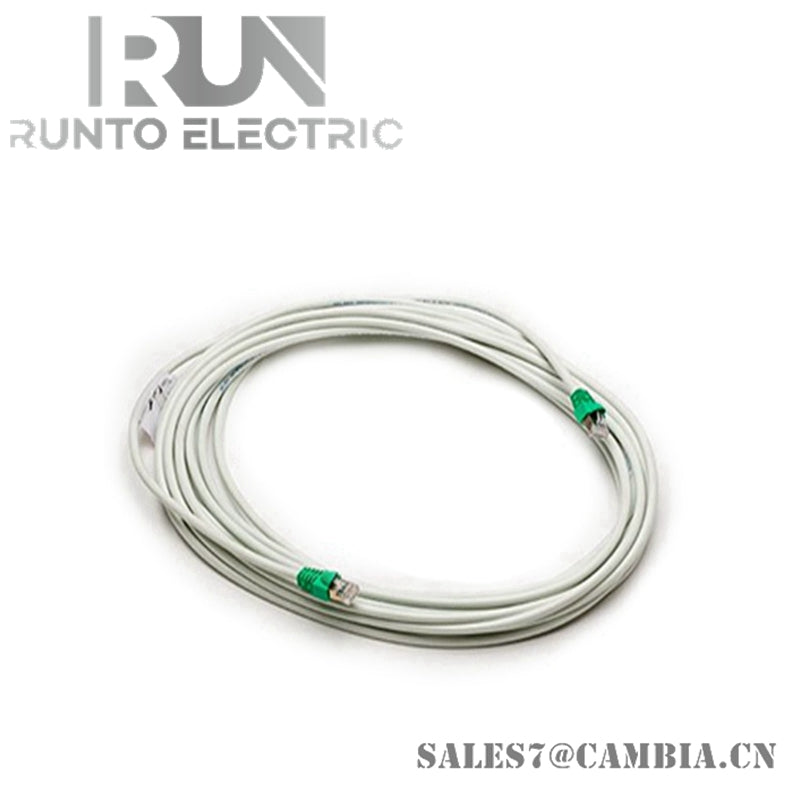
Honeywell 51196074-100 EPLCG Interlink Cable

Honeywell 51196074-100 EPLCG Interlink Cable
The Honeywell 51196074-100, also cataloged as the 51196074-100 EPLCG interlink cable, serves as a shielded communication link between redundant Enhanced PLC Gateway components within Honeywell TDC 3000 and Experion PKS systems.
Hardware Specifications
| Parameter | Specification |
|---|---|
| Model | 51196074-100 |
| Brand | Honeywell |
| Origin | USA |
| Weight | Not specified |
| Dimensions | Cable assembly form factor |
| Operating Temp | 0 to +60 deg C typical |
| Power Consumption | Passive cable assembly |
| Core Function | Interlink communication between redundant EPLCGs |
| Jacket Material | Shielded industrial-grade construction |
| Isolation | Shielded design for EMI/RFI suppression |
| Application | TDC 3000 / Experion PKS redundant gateway systems |
FOUNDATION Fieldbus / Profibus PA Connectivity
The interlink cable supports deterministic communication across redundant Enhanced PLC Gateway (EPLCG) modules. Shielding ensures suppression of EMI/RFI interference, while the industrial-grade build maintains signal integrity in continuous-duty environments. The design allows synchronization of redundant gateways, preserving channel-to-channel isolation and ensuring uninterrupted communication paths in Honeywell DCS architectures.
Frequently Asked Questions
Q: Can the 51196074-100 cable be field-terminated? A: No, it is supplied as a factory-terminated assembly to maintain shielding integrity and connector reliability.
Q: Does the cable support redundancy switchover without signal loss? A: Yes, the cable is designed for interlink communication between redundant EPLCG modules, ensuring seamless switchover.
Q: Is the cable interchangeable with non-Honeywell interlink cables? A: No, substitution may cause impedance mismatch or communication errors; use only Honeywell-specified assemblies.
Field Installation Guidelines
- Route the cable in dedicated trays or conduits to minimize EMI exposure.
- Maintain shield grounding at a single point to avoid ground loops.
- Avoid sharp bends; follow minimum bend radius per Honeywell installation standards.
- Verify connector seating and strain relief before energizing the system.
- Keep separation from high-voltage power lines to reduce induced noise.
Honeywell 51196074-100 EPLCG Interlink Cable