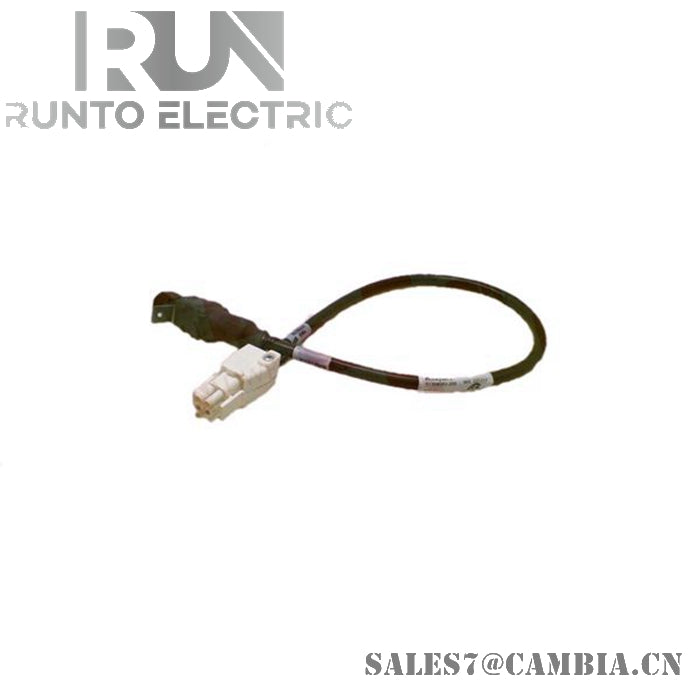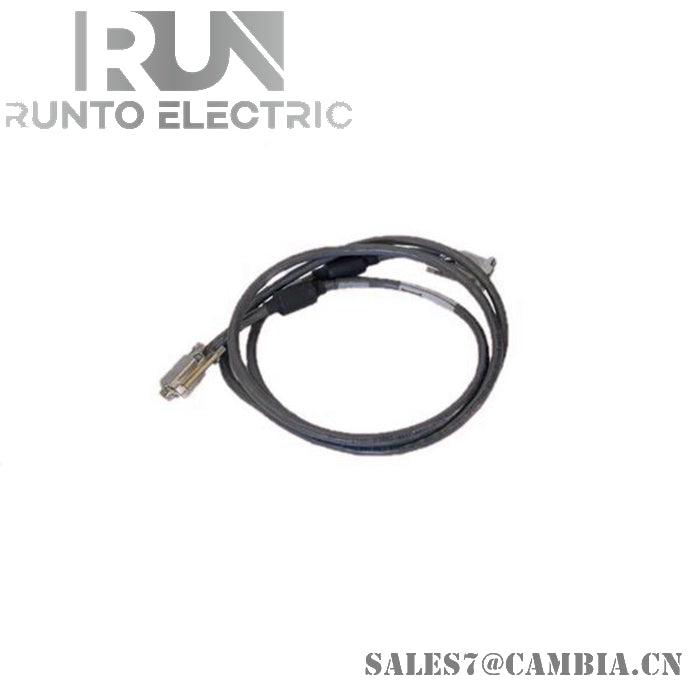
Honeywell 51201748-110 Power Supply Load Kit

Honeywell 51201748-110 Power Supply Load Kit
The Honeywell 51201748-110, also cataloged as the 51201748-110 power supply load kit, serves as a modular resistor sub-assembly designed to provide minimum dummy load for legacy switching power supplies in Honeywell integration cabinets.
Hardware Specifications
| Parameter | Specification |
|---|---|
| Model | 51201748-110 |
| Brand | Honeywell |
| Origin | USA |
| Weight | ~1.05 kg (2.3 lbs) |
| Dimensions | Modular sub-assembly form factor |
| Operating Temp | 0 to +60 deg C typical industrial range |
| Power Consumption | Passive resistor load |
| Core Function | Minimum dummy load for legacy switching supplies |
| Component Type | High-wattage resistors with hardware connectors |
| Revision | Commonly found as Revision E or F |
| Application | Winchester-style HDD supplies / system power supplies |
Channel-to-Channel Isolation
The kit employs high-wattage resistor assemblies to maintain minimum current draw across supply outputs. This prevents voltage regulation drift and avoids no-load shutdown states in older Honeywell switching supplies. Modular construction allows integration into cabinet chassis with adequate clearance for heat dissipation. Shielded wiring and connector design ensure stable electrical behavior under continuous-duty operation.
Frequently Asked Questions
Q: Can the 51201748-110 be installed in modern switching supplies? A: It is intended for legacy Honeywell supplies; newer designs may not require minimum dummy loads.
Q: Does the kit provide thermal protection? A: Heat dissipation is managed through resistor design and cabinet airflow; external thermal protection is not integrated.
Q: How should revisions E and F be distinguished? A: Revisions differ in connector and mounting hardware; electrical function remains identical.
Field Installation Guidelines
- Mount the kit inside the integration cabinet chassis with clearance for airflow.
- Ensure connectors are fully seated to prevent partial contact.
- Route wiring away from high-voltage lines to minimize induced noise.
- Verify resistor assemblies are mechanically secured to avoid vibration damage.
- Inspect insulation and connector integrity before energizing the system.
Honeywell 51201748-110 Power Supply Load Kit