Honeywell 51305722-001 Dual Fiber Optic Jumper Cable

Honeywell 51305722-001 Dual Fiber Optic Jumper Cable
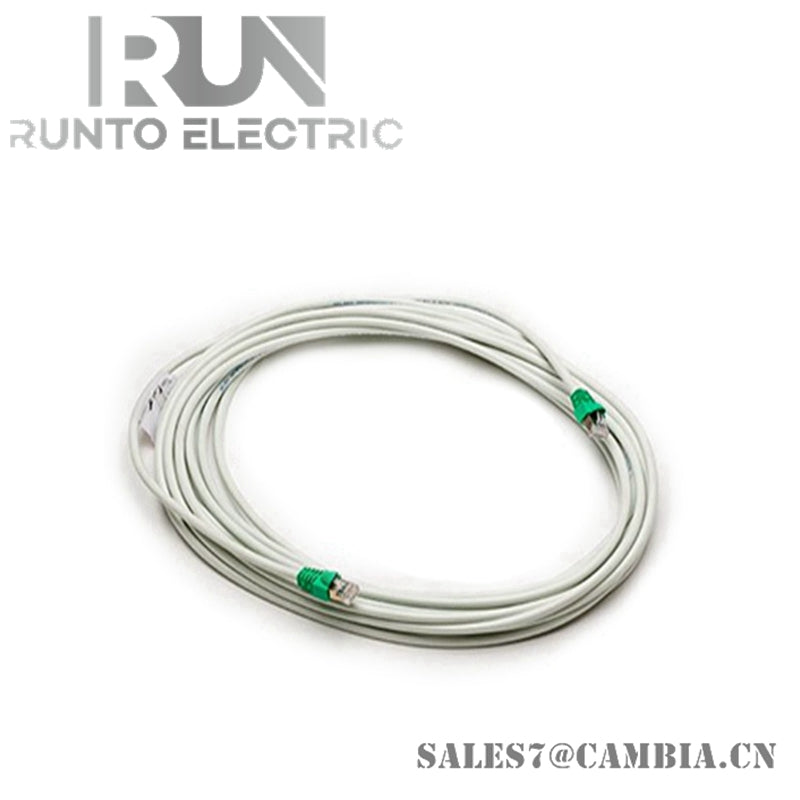
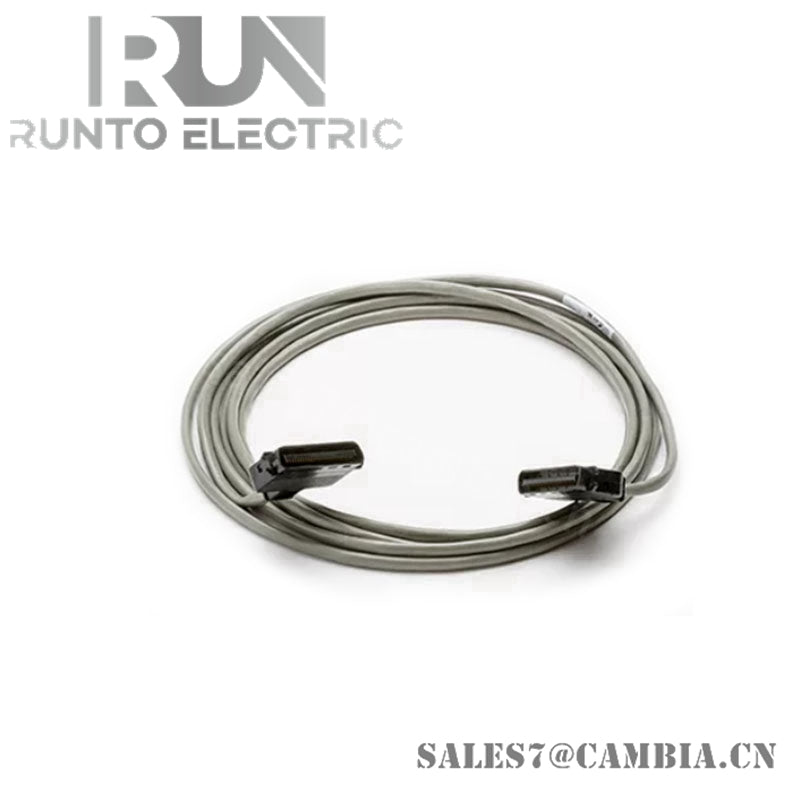
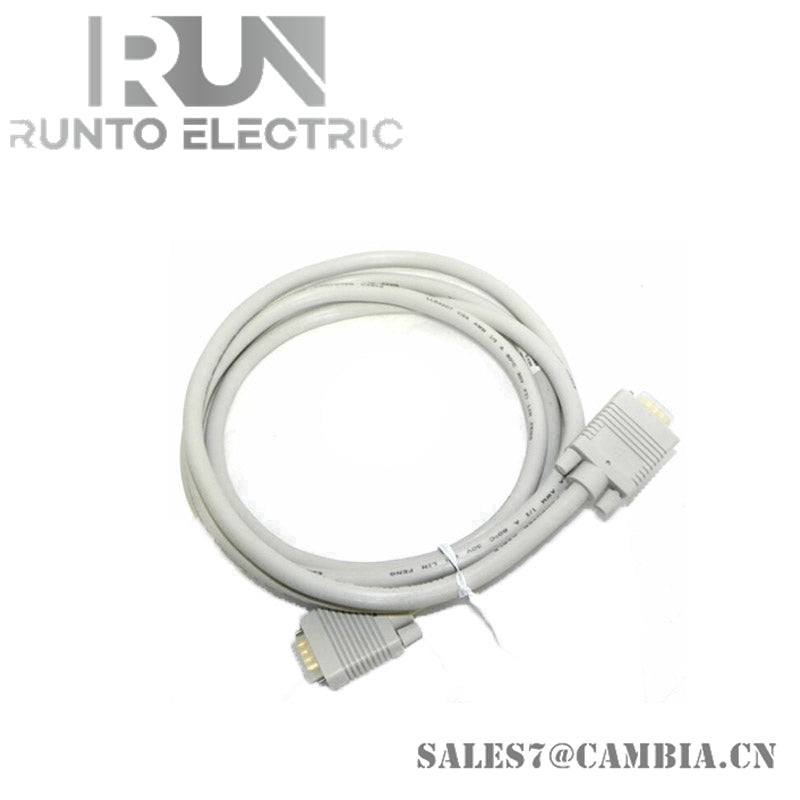
The Honeywell 51305722-001, serving as the primary 51305722 fiber jumper assembly, is utilized to execute optical signal transfer across Honeywell DCS platforms. This dual‑fiber construction provides non‑conductive, noise‑immune transmission paths for cabinet‑to‑module optical interfaces.
Suffix Breakdown & Model Matrix
No suffix segmentation or variant matrix is defined for the 51305722‑001. The model is treated as a single fixed configuration.
Hardware Specifications
| Parameter | Specification |
|---|---|
| Model | 51305722-001 |
| Brand | Honeywell |
| Origin | Not specified |
| Weight | Approx. 300 g to 500 g (packaged) |
| Dimensions | 1.0 m cable length |
| Operating Temp | -40 deg C to +85 deg C |
| Power Consumption | Passive, non‑conductive |
| Cable Type | Dual fiber optic jumper assembly |
| Fiber Core Diameter | 100 microns |
| Fiber Cladding Diameter | 140 microns |
| Wire Gauge Equivalent | 24 AWG optical equivalent |
| Jacket Color | Black |
| Connector Type | Industry‑standard optical connectors for DCS transceivers |
| Environmental Rating | IP67 |
Channel‑to‑Channel Isolation in Optical Networks
Within Honeywell DCS environments, the dual‑fiber layout maintains optical isolation between transmit and receive paths, preventing cross‑talk during high‑density cabinet routing. The non‑conductive medium eliminates ground‑loop formation, ensuring stable operation near 4‑20 mA HART loops or Fieldbus/PA wiring. Cold junction compensation (CJC) circuits in adjacent modules remain unaffected due to the absence of conductive thermal coupling.
Frequently Asked Questions
Q: Can the jumper cable be routed alongside AC or DC power conductors? A: Yes, the optical medium is immune to electrical interference, but physical separation is still recommended to avoid mechanical abrasion.
Q: Does the cable support hot‑swap at the transceiver interface? A: Optical connectors can be inserted or removed without electrical risk; however, system‑level hot‑swap rules depend on the connected DCS module.
Q: Are there firmware dependencies for optical link recognition? A: No. The cable is passive; link detection is handled entirely by the optical transceiver hardware.
Field Installation Guidelines
- Maintain clean connector end‑faces to prevent attenuation from dust or oil contamination.
- Avoid tight bend radii that may stress the 100/140‑micron fiber geometry.
- Ensure IP67 sealing surfaces remain intact when routing through enclosures.
- Keep the jumper away from sharp edges or cable tray pinch points to prevent jacket damage.
- Verify connector latch engagement before energizing associated optical modules.
Honeywell 51305722-001 Dual Fiber Optic Jumper Cable